Nonfiction Reimagined: Why Representation in Science Education Matters
Over the past years, representation in children’s books has improved tremendously. Authors of picture books and children’s stories have brought stories rich in culture, diversity, and identity to young readers. Books like Sulwe by Lupita N’goyo and The Undefeated by Kwame Alexander have not only earned prestigious honors but have become staples on countless bookshelves in bedrooms, libraries, and classrooms. Today, a much broader range of children get to see themselves reflected in the books they read. According to data compiled by the Cooperative Children’s Book Center (CCBC), the total percentage of books centering BIPOC individuals rose from 23% in 2018 to 51% in recent annual reporting.
It is important for all children to encounter protagonists from all walks of life because diversity is not simply something to promote—it is reality. We live in a colorful world with a vast history that stretches across the entire globe, and we see evidence of it everywhere around us, whether we are aware of it or not.
Still, when it comes to science education and the discovery of the natural world, the lens remains largely European. Copernicus measured the sky. Modern chemistry is commonly taught through European discoveries. Encyclopedias and reference books are filled with the achievements of European scholars, scientists, and inventors.
As a result, thinking about science and the intellectual work behind it often connects us primarily with European achievements.
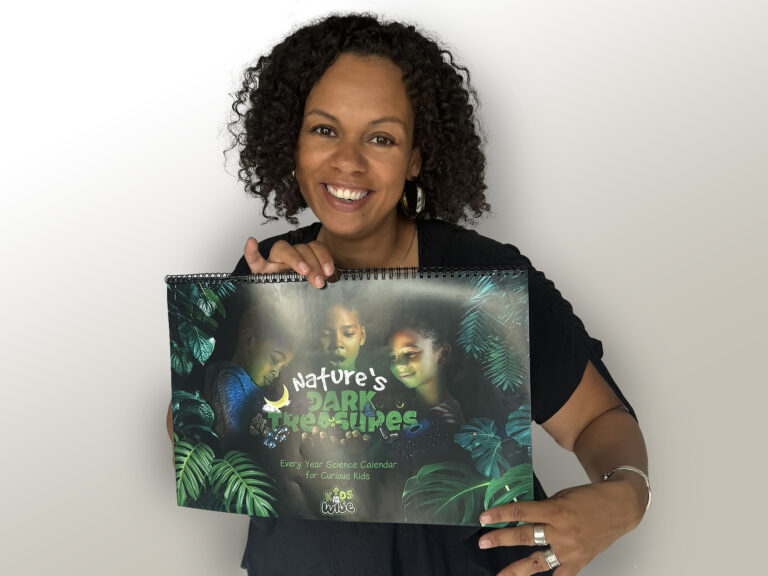
Kids on the Wise wants to broaden that picture.
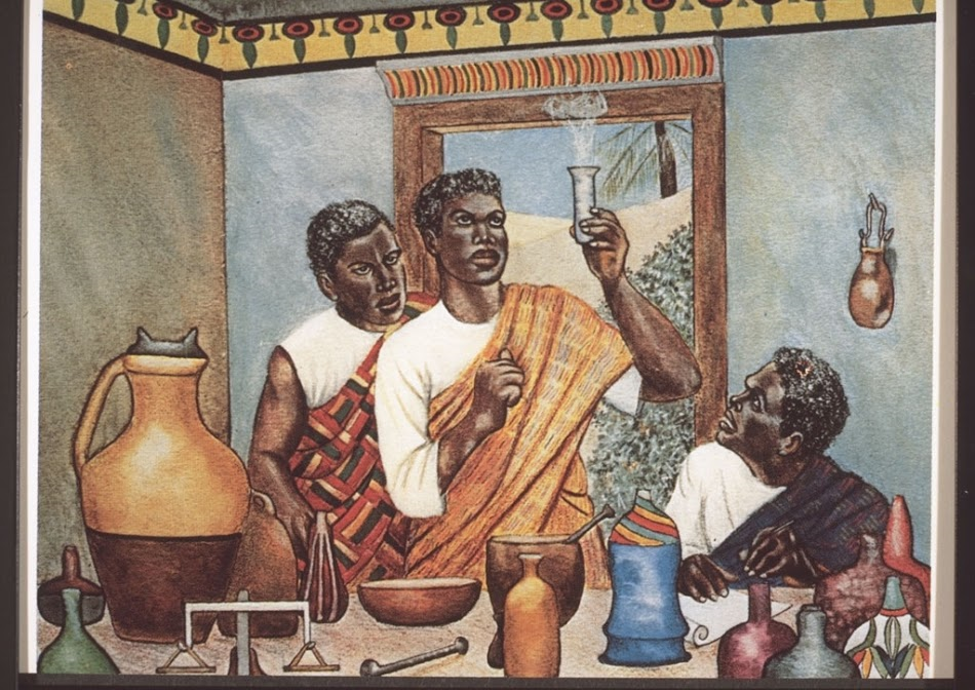
We set out to teach young minds about science and the wonders of the natural world while also showing that our African ancestors deeply observed, studied, understood, and expressed the world around them through their cultures and traditions.
When you take a closer look at African history and cultures, you discover sophisticated knowledge of mathematics, geometry, biology, astronomy, architecture, and philosophy. Decorative patterns reveal mathematical principles. Buildings and structures reflect astronomical and geometric knowledge. Music expresses mathematical relationships and the rhythmic patterns found throughout nature.
Centers of learning such as Timbuktu and ancient Egypt remind us that intellectual and scientific traditions were deeply imbedded on the African continent across timelines. Beyond these well-known examples, there are African scholars, thinkers, systems of knowledge, and discoveries that remain largely unknown or unmentioned in educational children’s literature.
At Kids on the Wise, we firmly believe that teaching STEAM against this broader backdrop can have tremendous benefits for children, especially children of color.
It opens up a new way of seeing the relationship between themselves, their roots, and the world around them. It encourages them to explore uncharted territory, see the bigger picture, and expand their understanding of the contributions Black people have made to human knowledge. This doesn’t mean replacing one history of science with another. It means making the picture clearer.
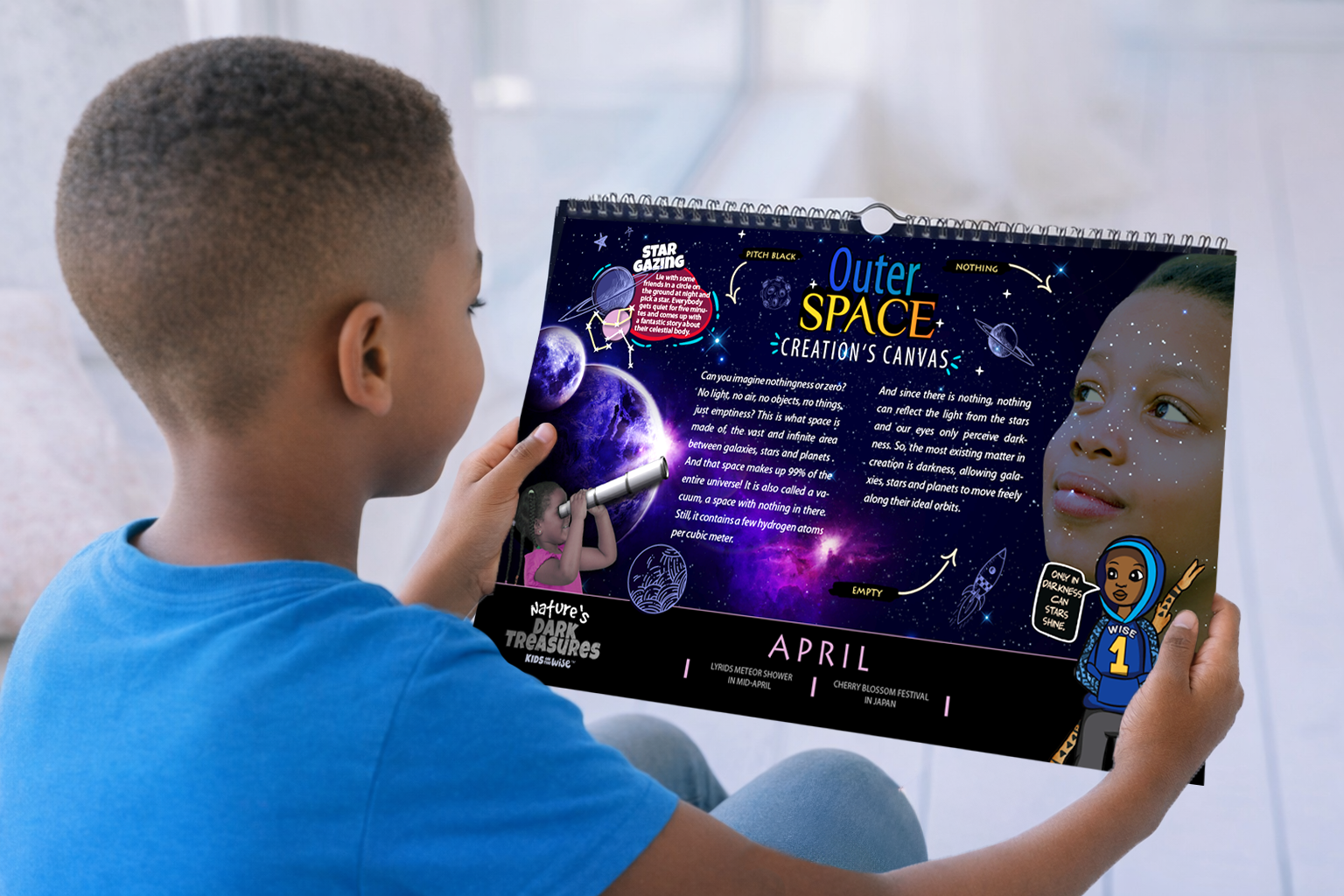
When we create and develop learning materials for children, our focus is first and foremost on delivering and explaining accurate scientific facts and the wonders of the natural world in a highly visual and engaging way. At the same time, our resources subtly tell children another story: a story about themselves and their intellectual heritage.

Our vision is to create publications and educational resources with the depth and quality children and educators expect from established names such as National Geographic Kids, Smithsonian, or DK—while bringing our own intentional visual language, cultural perspective, and love for innovation and daring progress.
Black children deserve to see themselves not only in stories, but in the story of knowledge itself.