How to Create Learning Environments Where Black Children Can Thrive

Get ideas and inspiration on how to design and structure culturally responsive learning spaces that develop and advance the capacity of all students.
Children experience their learning environment through much more than the physical space around them. Successful learning environments create countless opportunities to meet children where they are—academically, intellectually, culturally, emotionally and socially (SEL).
For Black children, a culturally affirming learning environment means creating spaces that honor their identity and values them as great thinkers, as well as give them meaningful representation within lessons, intellectual challenge, creativity and joy. Furthermore, a body of research brought evidence that culturally affirming learning environments can lead Black students to have more academic success, increased engagement, and better attendance.
The following practices are not a separate set of educational rules for Black children. They are a closer look at what all children at all school ages naturally need to thrive, elementary kids as well as middle school and high school students. Because learning can be fulfilling.
Table of Content
- Let the Room Show a Bigger World
- Meaningful Representation
- Make Space for Different Ways of Thinking
- Encourage Expression
- Expect Excellence
- Eyes on the Greater Goals
- Built Trustful Relationships
- Love and Joy
- Conclusion
1. Let the Room Show a Bigger World
The physical classroom, and any learning environment, is the first thing that enters a child’s senses before any lesson starts. Posters, books, maps, objects, and decorations we choose create a visual and intellectual landscape. Together, they communicate a certain atmosphere and message that can reach beyond learning.
We can create welcoming spaces with student work, art pieces, educational posters, books, and inspirational wall art, or small visual accents that naturally mirror the incredible wealth of people, culture and knowledge throughout the world, bringing a powerful spirit inside the classroom walls.
This is the power of a culturally responsive learning environment: representation doesn’t always need to announce itself; it can just be part of reality and live naturally throughout the entire classroom.
Parent & Teacher Tip: Poster of Number symbols from different cultures, The Sentence Today is my lucky day in different languages, Our Power Series, Swap Meets or Thrift sores, Pinterest
Links
- Classroom Walls and Student Belonging | Edutopia
- Before You Decorate Your Classroom, Here’s a Better Idea | Cult of Pedagogy
Before you continue reading …
Join families who receive FREE growth mindset printables, parenting tips, and practical activities every Friday to help children build confidence, resilience, and a love of learning.

2. Meaningful Representation
We all agree that Black children need to see themselves reflected in educational materials. But there is an important distinction between visibility and belonging. A classroom can contain diverse faces and stories while still offering a narrow picture of Black people.
When Black figures appear primarily during Black History Month or in lessons about slavery, civil rights, and overcoming adversity, representation can become heavy and burdened. These histories matter, but they are simply not the entirety of Black life. Every child, not just Black children, should encounter Blackness with an accurate, historically informed approach: within the curriculum and alongside curiosity, fun, art, adventure, and discovery.
For Black children, this can create something deeper than visibility. When they repeatedly encounter people who look like them creating the world, belonging becomes natural rather than exceptional.
Parent & Teacher Tip: Poster of Number symbols from different cultures, The Sentence Today is my lucky day in different languages, Our Power Series, Swap Meets or Thrift sores, Pinterest
Links & Books
- Curated mirrors and windows books by Heritage Mom Blog
- Represent a diversity of perspectives and identities in authentic ways
inspiration invogorate the soul
Show the world something, they havent seen before
3. Make Spaces for Different Ways of Thinking
At certain points in our lives, we all have to challenge outdated ideas, practices, and ways of thinking that have become too rigid or unflexible. That is how change, progress, and innovation happen. Classrooms are a microcosm of this. By offering learning moments that use creative and free thought and challenge fixed mindsets, we can bring in a new breeze and support young learners to develop self-trust and confidence in their own mind, as well as the courage to coloring outside the lines.
We can invite our students to different ways of thinking by creating safe spaces where students feel comfortable taking risks answering and sharing unconventional thoughts. Activities for warm-up or to incorporate into your instructions could be:
- Ask open questions like Why? How do we know? and What else could be true?
- Conduct thought experiments by asking What if?
- Introduce new perspectives, encourage unique ideas
- Brainstorming sessions
- Intuitive thinking exercises
- Divergent thinking and lateral problem-solving
- Thinking and talking in symbols and metaphors
- Storytelling and role play
Cultivating mental flexibility can stimulate the mind, and enhance engagement, and inspire students’ to put their excellence to work. It also gives children the affirmation that their ideas and thoughts are needed and appreciated.
Parent & Teacher Tip: Ideas: Escher, who is right, negative space art, our activity
Links & Books:
- Organic Creativity in the Classroom: Teaching to Intuition in Academics and the Arts by Jane Piito, Phd https://www.amazon.com/dp/1618211021
- Creative Thinking in the Classroom | Teaching Times
4. Celebrate Self-Expression
Remember the kid who excessively decorated their math notes? Or maybe it was you who couldn’t stop doodling in the margins. Learning is not merely about receiving information. Children also make knowledge their own by giving form to what they have understood—and for some students, having opportunities to do that can make learning much more engaging.
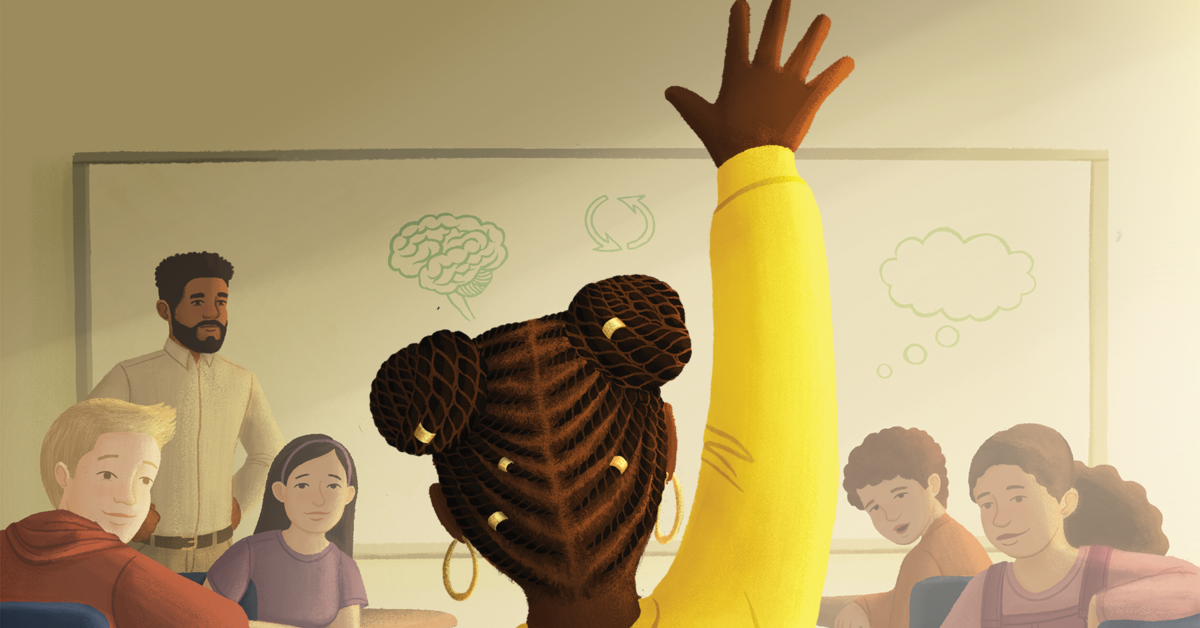
Encourage learners to explore and express concepts through drawings, speeches, poems, stories, diagrams, movement, or even sound. Look for opportunities throughout the day where students can bring some of their own personality, mood, and creativity into their work while still engaging with the concept at hand. Depending on the subject, this can also invite children to draw from their own experiences and cultures through art styles, vocabulary, storytelling, movement, or other forms of expression.
Expressing what they have learned gives children another way to process and demonstrate understanding. It also allows students to see how the same idea can take different forms in someone else’s mind. And this doesn’t have to be reserved for art class. A mathematical idea can become a visual pattern, a scientific process a story, and history or literature can inspire writing, performance, or debate. The goal isn’t expression for expression’s sake, but giving children different ways to engage with knowledge and make meaning from it.
Expression, in all its forms, is a foundation of culture and a vital part of childhood. For a child who is hesitant to participate, disconnected from a subject, or simply doesn’t shine through conventional assignments, an expressive doorway into learning may reveal something we otherwise wouldn’t have seen.
Parent & Teacher Tip: A good example of that is the Waldorf approach, where students write and illustrate a Main Lesson Book to record and represent what they have learned and internalized.
7. Expect Excellence
“Teaching Black children is a revolutionary act.” – James Baldwin
Do you remember the feeling in school when you had the answer that nobody else was able to give? Children thrive when they are not just taught, but sent on a challenging mountain hike with a beautiful view waiting at the end.
Compassionate rigor in the classroom invites students to dig deeper, not simply work harder. It creates a challenging yet supportive learning environment that fosters growth—one where students feel safe taking intellectual risks, stretching their abilities, and learning from mistakes without unnecessary barriers standing in the way of their success.
Intellectual challenge doesn’t have to mean pressure. Stressors such as overly fast pacing, excessive workloads and time demands, or inflexibility around attendance and late work can be reduced without lowering expectations for what students are capable of learning and achieving.
Compassionate rigor paired with a culturally affirming learning environment could also help Black students to feel validated and have the support they need in order to bring out their potential and getting better identified for gifted programs. Research shows that Black students are severely underrepresented in those programs.
Now pair high-quality, grade-level materials with a culturally affirming visual language and you have the idea behind Kids on the Wise learning resources that aims for exactly that.
Links & Books:
- Culturally Responsive Teaching and the Brain by Zaretta Hammond
- Ready for Rigor
- Explaining Rigor to Students | Edutopia
- Understanding Rigor in Education: What It Is and Why It Matters
- Rethinking Rigor: Challenging Students & Supporting Meaningful Learning – Teaching + Learning Lab
5. Eyes on the Greater Goals
“When we envision the seeds that we plant today how they will grow from their roots to the skies, we’ll know all of the dedication is worthwhile.” – Sara Armstead, founder Kids on the Wise
“Education is good, liberation is great.” –
The prominent educational theorist Gloria Ladson-Billings, whose work helped establish the framework of culturally relevant pedagogy, argued that education should reach beyond academic achievement alone. Students should also develop cultural competence and critical consciousness—the ability to understand the world around them, question it, and recognize that their knowledge can be used within it.
Teaching in a culturally responsive environment means keeping an eye on these greater goals of a well-rounded education. A new world can open up when children begin to understand not only what they are learning, but why it matters, what they can do with it, and where it might take them beyond their school years. Learning can cultivate self-determination, agency, confidence, and empowerment.
6. Relationships Build Trust
Relationships and learning are inseparably connected. The teacher and their students build a team with common goals, motivation and aspiration. Creating those relationships starts with caring by knowing and understanding each other and creating a spirit of We.
Daily practices and belonging cues such as greeting your students at the door in the morning, collecting student’s interests on a community board, open the day with a quick good news share, or providing opportunities for students to share stories about their home lives, values, observations, and dreams are wonderful and effective ways to create a supportive class community in which all students can feel seen and thrive.
Parent & Teacher Tip: Use songs and class rituals to build
8. Love and Joy
“When you do things from your soul, you feel a river moving in you, a joy.” – Rumi
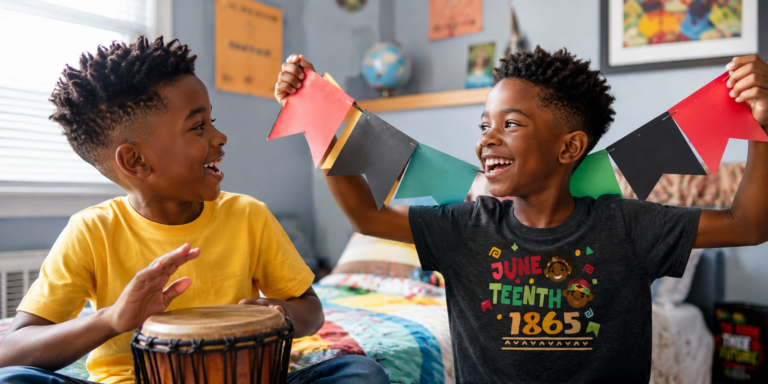
There is something we cannot put into a curriculum, hang on a classroom wall, or measure on a test: Joy. Joy is the very motor, the very motivation of our being. It is what drives children to learn and teachers to teach. When we are able to preserve that joy and remember its cause, we can create learning spaces that leave space for easiness, laughter, tenderness, freedom and self-enjoyment. Students who learn in such atmosphere of love and happiness, no matter their age, can have positive experiences and feel like being just where they belong.
Maybe that is what we want children to remember most when they leave our classrooms and learning spaces: not only what we taught them, but how it felt to discover who they were there.
Conclusion
Doing the work of disrupting the way you teach is not easy and will certainly not happen overnight. It is easy to get triggered by ideas and perspectives that don’t align with the worldview you have held for much of your life. And it can feel onerous to invest time and energy into changing your program. So start with small changes: a new text or approach to assessment, tweaking your discussion questions to provoke a more critical discussion, or connect with other teachers that are intentionally changing their programming to be anti-racist and anti-oppressive.
The effort you place into making today’s learning environment a more inclusive place will pay off when you see students feeling seen, engaged and connected to the place they learn.
More Resource Recommendations
- Black Minds Matter
- Culturally Responsive Teaching — National Equity Project
- Gholdy Muhammad – Cutlivating Genius
- Gloaria Ladson-Billings – The Dreamkeepers
- Homepage – EdTrust
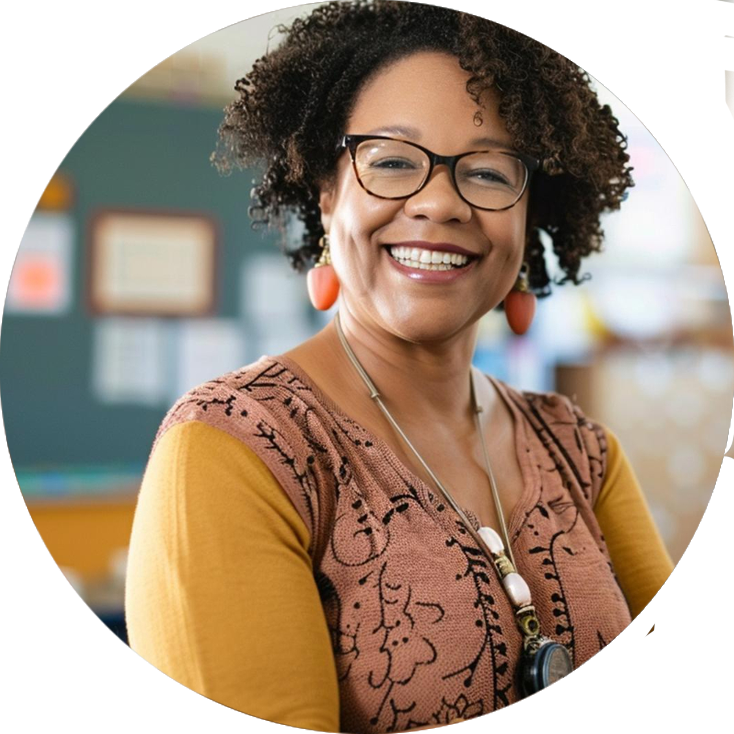
About the Author
Sara Armstead is the founder and creative director of Kids on the Wise, where she combines her background in graphic design with her passion for education, culture, and creative learning. As a mother and multicultural creative, she explores how thoughtful educational experiences can help children expand their knowledge, imagination, identity, and sense of belonging.